

Supporting children with autism means helping them build skills in ways that feel natural, supportive, and connected to everyday life. Arluna helps children with autism build communication, routines, emotional regulation, and independence in ways that are meaningful and practical. Children practice skills in the settings where they live, learn, and play, because therapy works best when it meets you where you are. Parents receive guidance to help reinforce these skills at home, at school, and in the community.

We begin working with children as young as 18 months, supporting development at a time when learning potential is greatest.

Therapy happens where life happens: at home, at school, and in everyday moments that matter.

We actively collaborate with parents, combining your knowledge of your child with our clinical expertise.

We focus on helping children function independently and confidently without trying to change who they are.

We work closely with families, schools, and other providers to support consistent care across the environments where children live and learn.

We measure progress carefully and explain what it means, so families always know what’s happening and why.
All children learn best when they feel comfortable, engaged, and excited to participate. For younger children with autism, play creates natural opportunities to practice communication, social interaction, emotional regulation, and problem-solving in ways that feel enjoyable and meaningful. For older children, the approach may look more structured.
No matter the age, ABA therapy will always strive to find the right approach for your child. When therapy feels positive and rewarding, children are more motivated to participate, build confidence, and continue developing new skills over time.
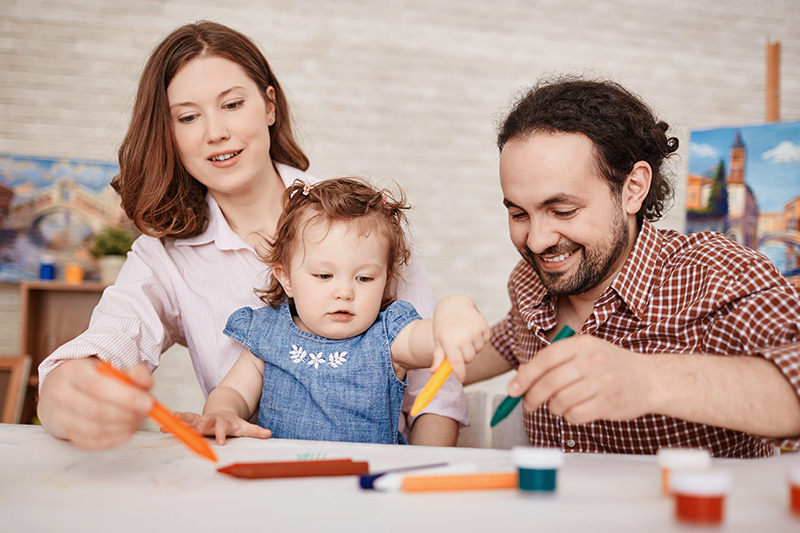
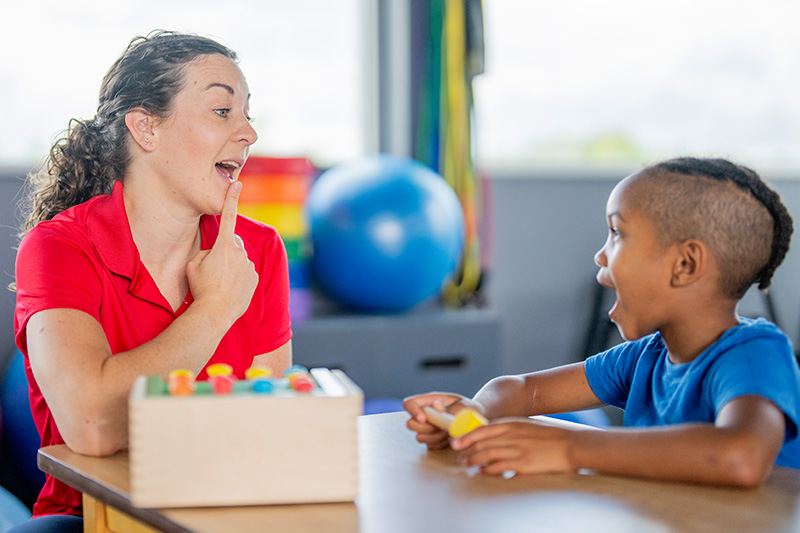
Therapy combines structured activities and everyday routines. This may include:

Every child benefits when families have the guidance and support they need at home. Arluna helps parents and caregivers feel confident, informed, and prepared to support their child’s growth.
We recognize the challenges families face and provide steady support.
Parents receive practical strategies to understand and reinforce therapy goals.
Families learn how to help their child practice new skills in daily routines.
Strategies are coordinated so children can apply skills in all environments.
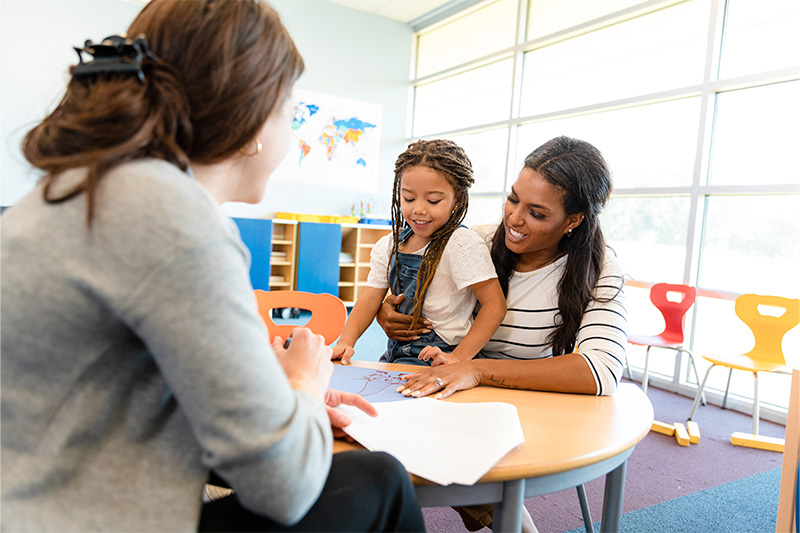
ABA therapy is guided by clearly defined goals, and progress is carefully monitored during every session. Families receive regular updates and guidance so they always know what their child is learning and how to support it at home.
Key elements of how we track progress include:
We are accepting new clients! Complete our secure, HIPAA-compliant intake form to tell us about your child’s needs. Our intake team will review your information and reach out to discuss how therapy can support your child’s development.