

Some children with autism benefit from a higher level of support to build foundational communication, positive behavior, and daily living skills. At Arluna, our BCBAs and clinicians are trained to deliver intensive behavioral therapy, designed to support children who need a more concentrated, closely supervised plan of care, paired with teaching replacement skills to manage challenging behaviors.
Intensive behavioral therapy is a higher-support ABA program designed for children who need more help with foundational skills that are getting in the way of daily life. This may include significant challenges with communication, frequent behavior that interrupts learning or routines, or difficulty staying engaged without constant support.
Intensive behavioral therapy includes more frequent sessions and a more structured, step-by-step teaching approach. Skills are broken down further, practiced more often, and reinforced throughout the day to build consistency and retention.
This level of support often focuses on building functional communication skills, such as asking for help, requesting a break, or using core words, signs, or other communication methods. Therapy may also target emotional regulation and coping skills, reducing behaviors that interfere with learning or safety, and developing daily living foundations like toileting, dressing, mealtimes, and transitions. Goals are individualized based on a comprehensive assessment completed by a Board Certified Behavior Analyst (BCBA).
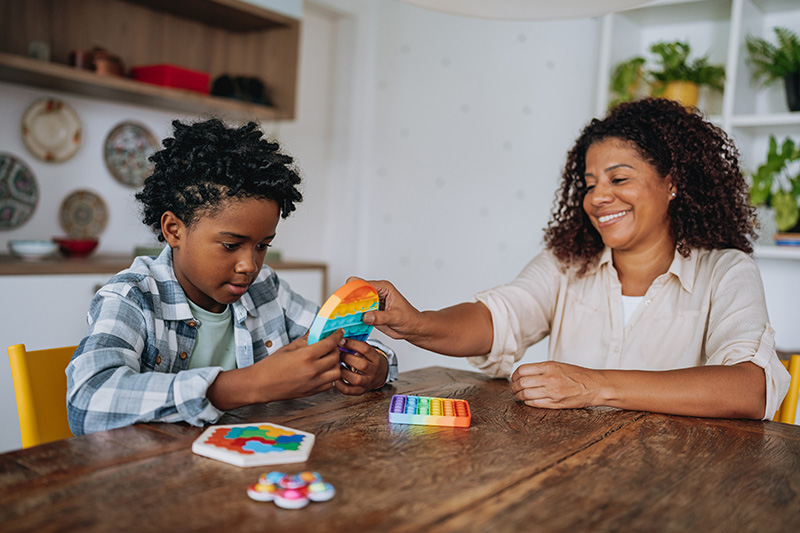
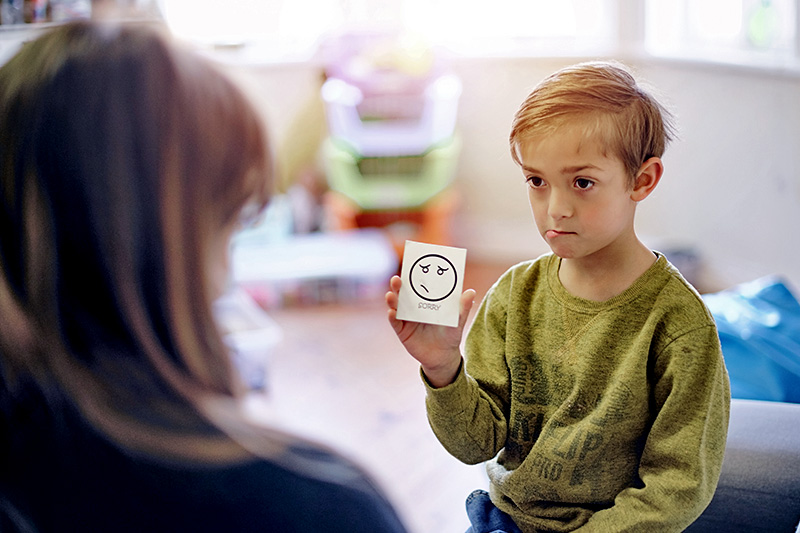
This service may benefit children who need support with:

Intensive behavioral therapy provides structured, consistent support that focuses on steady skill development across the day. Therapy is highly individualized and adjusted based on your child’s progress over time.

Support with basic communication, including asking for help, making choices, or expressing needs.

Structured support to address behaviors that affect safety, learning, or routines.
Skills are broken into small steps and practiced often to build understanding.

Frequent sessions help reinforce skills and create more predictable routines.

Therapy may take place at home, school, or in the community for consistency.

Progress is tracked closely so therapy can be adjusted as your child grows and needs evolve.
Our ABA therapy incorporates play-based learning and uses an assent-based, trauma-informed, and neurodiversity-affirming approach that respects each child’s comfort and engagement as they build communication, social, and daily living skills in meaningful ways. Families are kept informed throughout the process and provided with clear guidance and practical strategies to support progress outside of sessions.
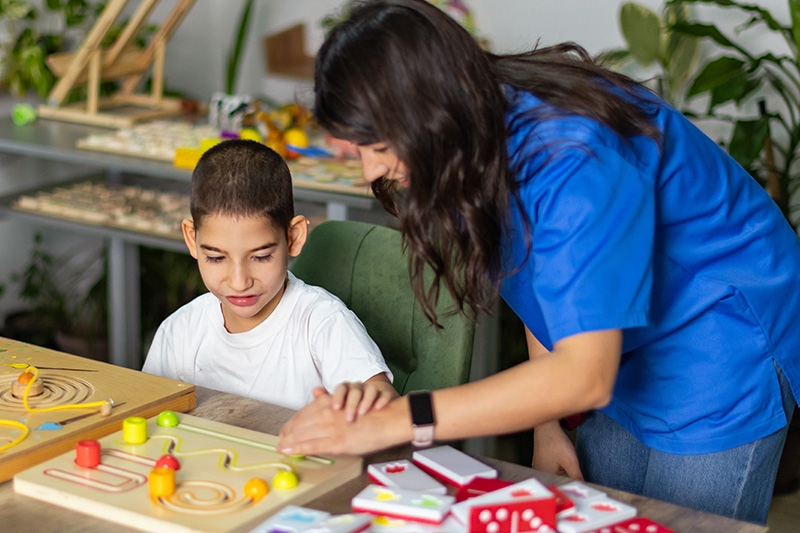
It varies by child, but intensive programs typically include a higher number of weekly therapy hours based on need.
A BCBA completes an assessment and recommends a level of support based on your child’s skills and challenges.
It can take place in multiple settings depending on what best supports the child’s learning.
Therapy levels are regularly reviewed and adjusted as skills develop. The goal is always to reduce therapy needs as a child makes progress.
We are accepting new clients! Complete our secure, HIPAA-compliant intake form to tell us about your child’s needs. Our intake team will review your information and reach out to discuss how therapy can support your child’s development.