

When young children with autism receive support early in development, it can meaningfully shape how they learn to communicate, play, build social skills, and prepare for school readiness. With structured ABA therapy, children as young as 18 months can begin building skills that make daily life more connected, more independent, and more successful for both the child and family.
The earlier therapy is started, the more impact it can have on a child’s development. Families choose early intervention ABA therapy because it helps young children with autism build foundational skills during a key stage of growth. It also supports families in understanding and reinforcing these skills at home, helping children build independence and confidence in everyday routines as they grow.
When young children with autism receive support early in development, they have more opportunities to build the foundational skills that support long-term growth. Early intervention ABA therapy focuses on communication, social interaction, play, emotional regulation, and school readiness skills that help children participate more successfully at home, in childcare, and in other learning environments.
Early intervention ABA therapy can begin as early as 18 months through age 5. Care is delivered using an assent-based, trauma-informed, and neurodiversity-affirming approach that matches a young child’s stage of development through play-based learning, repetition, and structured routines. Children practice skills during natural activities like playtime, meals, transitions, and peer interaction, helping them build confidence, independence, and stronger connections with others.
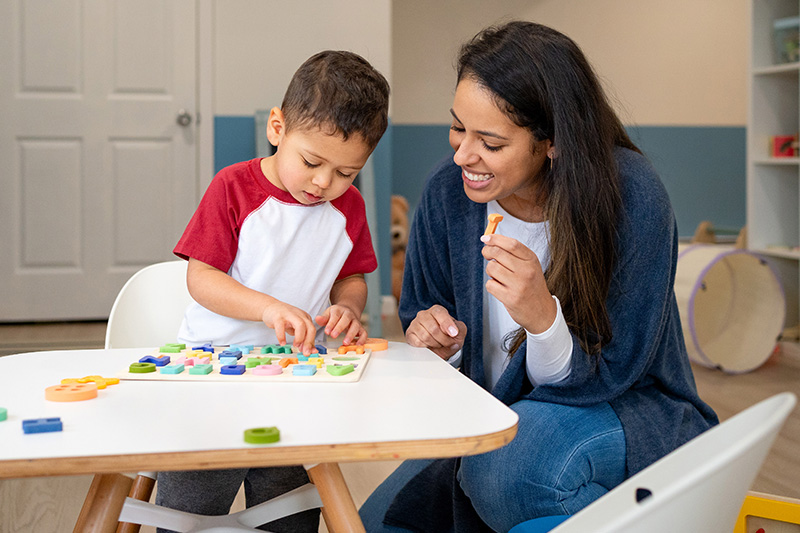
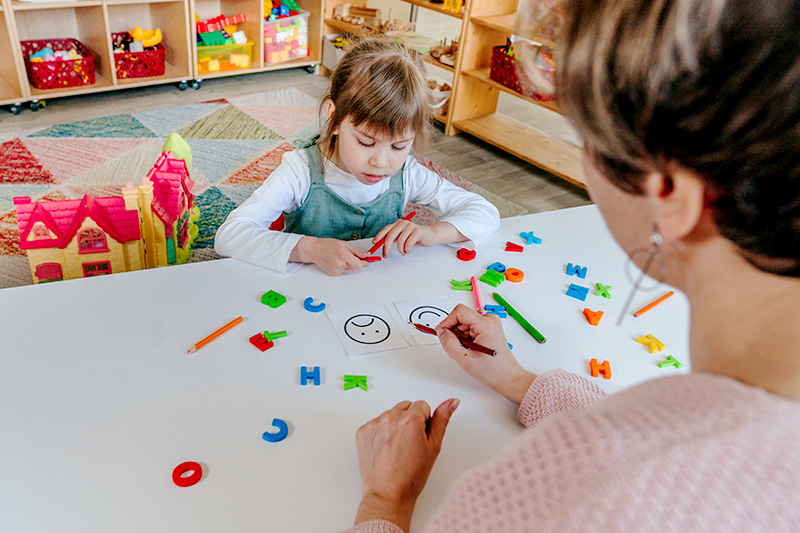
Early support can be especially helpful when children are still developing the basic skills that shape how they communicate, respond, and learn from the world around them.
This service may benefit children ages 1-3 who:

Early childhood is a key window for developing long-term skills and habits. Therapy is built around play, simple routines, and short activities that match your child’s age. Skills are taught through repetition and support during everyday moments.

Your child builds skills during play with toys, games, and simple activities.

Support responding to name and using sounds, words, gestures, or pictures to ask for help and express needs.

Building skills that support success in structured learning environments, such as following group directions and staying engaged during instruction.

Help with early childhood routines like sitting for meals, cleaning up, transitions, and following simple, one-step directions.

Support with turn-taking, sharing, cooperative play and engaging with others.

Guidance to help you support your child during everyday routines at home.
Our ABA therapy incorporates play-based learning and uses an assent-based, trauma-informed, and neurodiversity-affirming approach that respects each child’s comfort and engagement as they build communication, social, and daily living skills in meaningful ways. Families are kept informed throughout the process and provided with clear guidance and practical strategies to support progress outside of sessions.
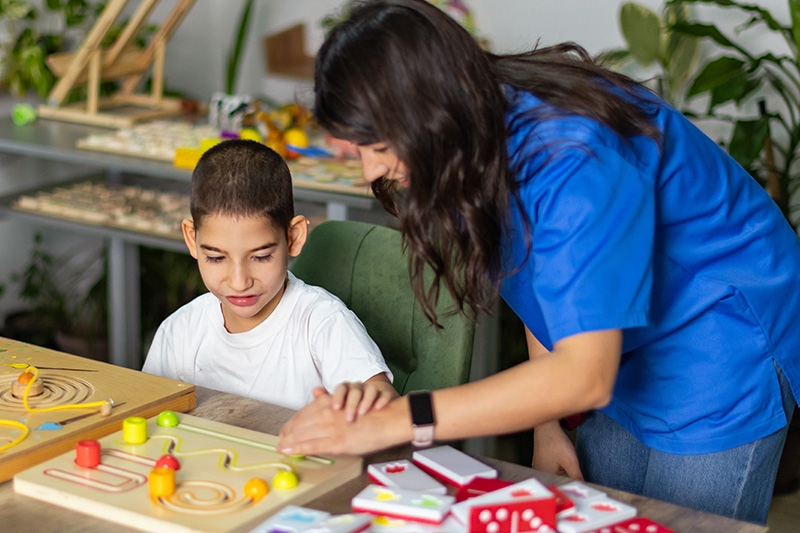
Early childhood is when many foundational communication and learning skills begin to develop, making it a key time for structured support.
Many children begin building communication, routine, and appropriate behaviors that make daily life more engaging and connected.
As soon as developmental concerns are identified, early support can help guide skill development during a critical learning stage.
Not necessarily. Many children adjust their level of support over time as they build stronger skills. Early intervention often provides the best chance to lessen the need for therapy as children mature.
We are accepting new clients! Complete our secure, HIPAA-compliant intake form to tell us about your child’s needs. Our intake team will review your information and reach out to discuss how therapy can support your child’s development.