
Las rutinas diarias están llenas de oportunidades de aprendizaje. La terapia ABA a domicilio ayuda a los niños a desarrollar la comunicación, seguir rutinas y gestionar su comportamiento durante actividades cotidianas como las comidas, el juego y los momentos de transición. Los niños aprenden mejor en los lugares que conocen. Por eso, Arluna ofrece terapia ABA individualizada a domicilio, dirigida por terapeutas certificados (BCBA), mediante un enfoque que valora la neurodiversidad y se basa en el consentimiento, y que hace hincapié en la participación, el respeto y la capacidad de respuesta a las necesidades y al nivel de preparación para aprender de cada niño.
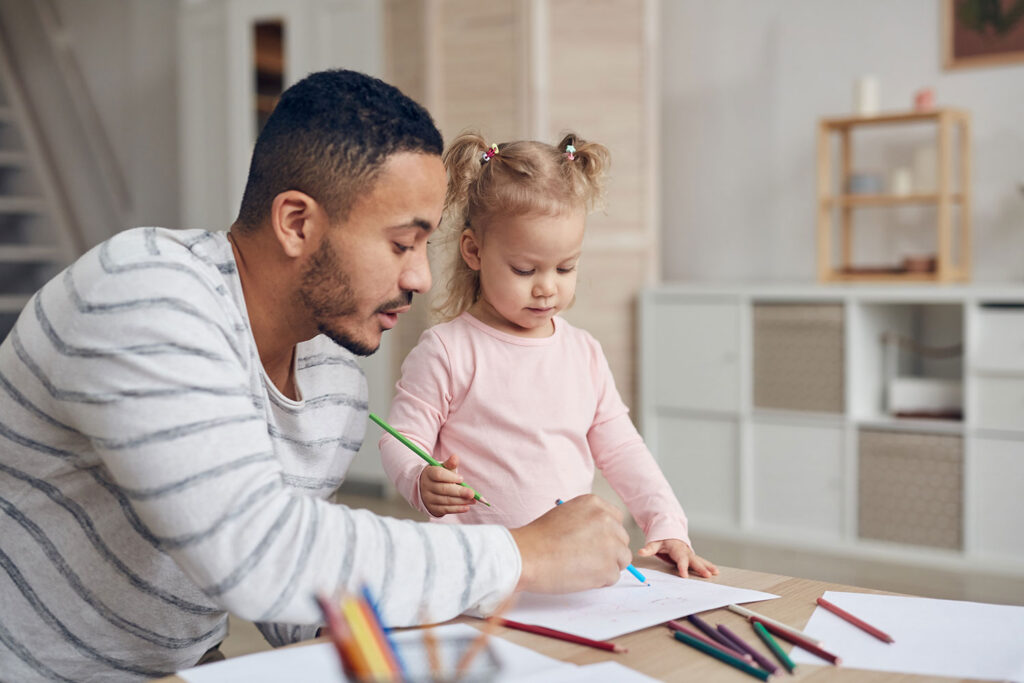
Las familias de niños con autismo suelen encontrarse con dificultades en las rutinas diarias en casa. La terapia ABA a domicilio ofrece apoyo en estas situaciones a medida que se van produciendo.
Este servicio puede resultar de ayuda para los niños que necesiten apoyo en los siguientes ámbitos:

La terapia se basa en las rutinas diarias y los objetivos de tu hijo. El aprendizaje se produce tanto a través de actividades planificadas como de situaciones cotidianas.

Desarrollar habilidades para turnarse, jugar con los compañeros, saludar, mantener una conversación e interpretar las señales sociales.

Pedir ayuda, nombrar objetos, utilizar frases sencillas o responder a preguntas durante las comidas o mientras se juega.
Prácticas para vestirse, lavarse los dientes, recoger los juguetes, seguir instrucciones de varios pasos o pasar a nuevas tareas.

Identificar los sentimientos, aplicar estrategias de relajación y saber cómo reaccionar ante la frustración o la decepción en las rutinas diarias.
Los padres pueden asistir como observadores a las actividades y recibir orientación sobre cómo reforzar las habilidades fuera de las sesiones. Además, les informamos periódicamente sobre los progresos y las necesidades.
Colaboramos con los equipos escolares y los planes de educación individualizados (IEP), incluyendo a los terapeutas de salud mental, logopedas, terapeutas ocupacionales y fisioterapeutas, para garantizar un apoyo coherente tanto en el hogar como en otros entornos.
Nuestra terapia ABA incorpora el aprendizaje basado en el juego y utiliza un enfoque basado en el consentimiento, que tiene en cuenta el trauma y valora la neurodiversidad, y que respeta el bienestar y la participación de cada niño mientras desarrolla habilidades comunicativas, sociales y de la vida cotidiana de forma significativa. Se mantiene informadas a las familias durante todo el proceso y se les proporciona orientación clara y estrategias prácticas para apoyar el progreso fuera de las sesiones.
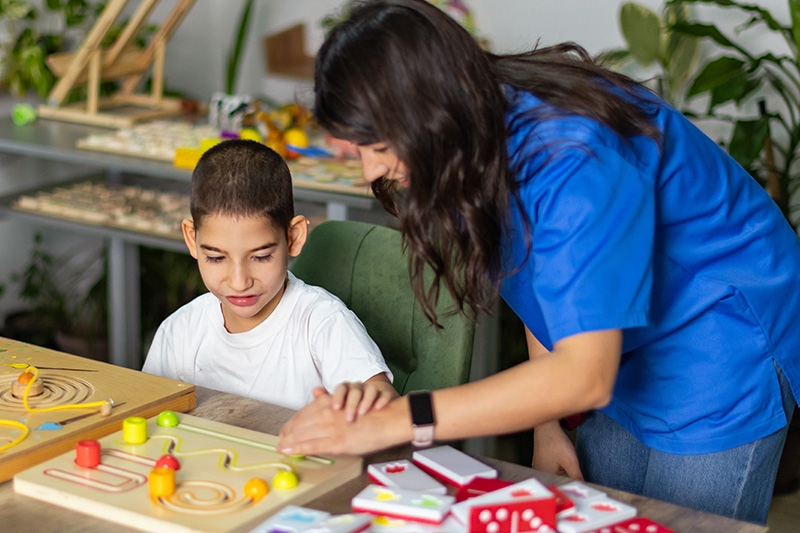
La terapia ABA en casa permite que tu hijo y su terapeuta se centren en desarrollar habilidades que se integren en su entorno doméstico y en sus rutinas diarias. Podemos centrarnos en retos como realizar tareas domésticas y participar en las rutinas familiares, además de las habilidades típicas de la terapia. En Arluna creemos en llevar a cabo la terapia en los lugares donde se desarrolla la vida.
El plan terapéutico de su hijo se basará en sus necesidades. Es posible que algunos niños necesiten atención a tiempo completo, mientras que a otros les baste con unas pocas horas a la semana.
Las sesiones están diseñadas para integrarse de forma natural en la agenda de tu familia, sin necesidad de desplazarte ni de ir a una clínica. Esto facilita incorporar la terapia a las actividades que ya realizas a lo largo del día, en lugar de tener que dedicar tiempo extra o acudir a citas al otro lado de la ciudad.
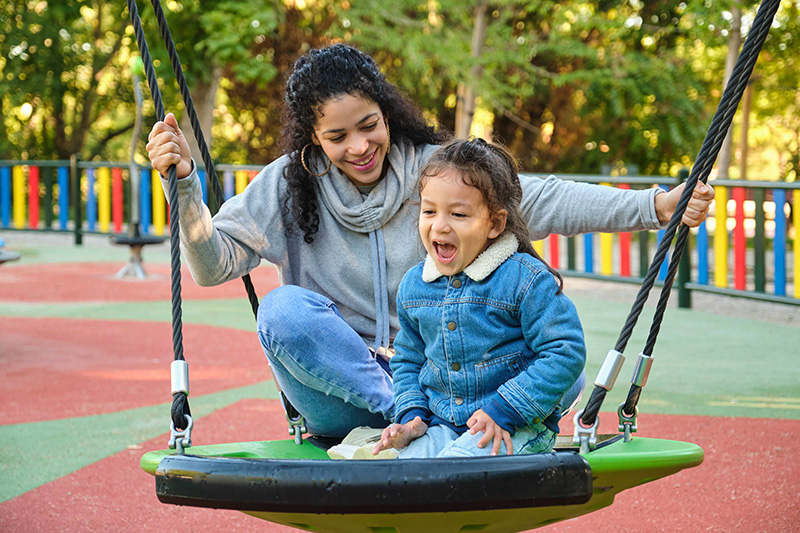
En función de la edad y los objetivos de su hijo, la terapia también puede llevarse a cabo en entornos comunitarios, como parques, tiendas u otros entornos de la vida real. Esto ayuda a los niños a practicar las habilidades en los lugares donde realmente las van a utilizar, lo que fomenta una mayor independencia y confianza en su vida cotidiana.
Un analista conductual certificado (BCBA) realiza una evaluación inicial y elabora un plan de tratamiento individualizado en función de las necesidades de su hijo. A continuación, un técnico conductual registrado (RBT) imparte terapia individualizada, mientras que el BCBA supervisa los progresos y va ajustando el plan a lo largo del tiempo.
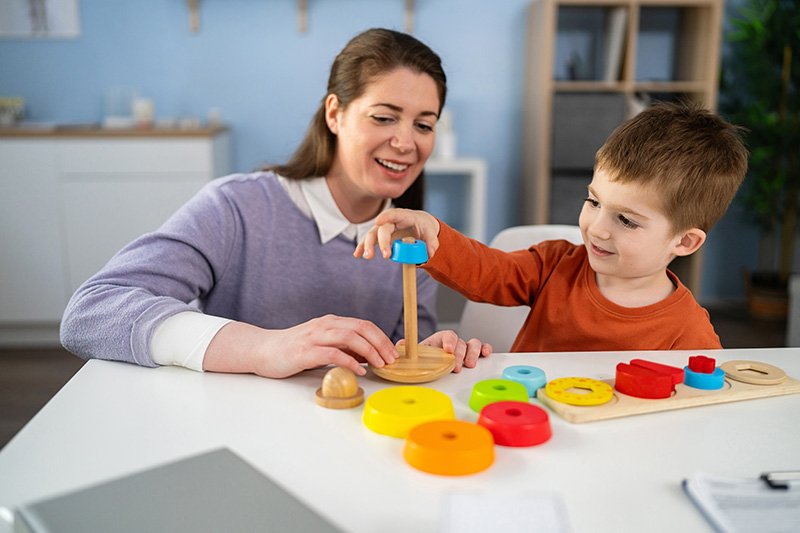
Las sesiones se centran en la comunicación, las rutinas diarias, las habilidades sociales, la regulación emocional y el apoyo conductual a través de actividades estructuradas y el juego. Los padres también reciben orientación y asesoramiento para fomentar el progreso en casa.
Para empezar, rellena un formulario de registro seguro y un miembro de nuestro equipo se pondrá en contacto contigo para indicarte los siguientes pasos.
Cuando la terapia se lleva a cabo en casa, es necesario que estén presentes los padres o un cuidador, aunque no es necesario que participen en la sesión. Aunque la terapia en sí es individual, es fundamental trabajar las interacciones familiares y capacitar a los padres para que puedan apoyar el trabajo que se está realizando.
Buenas noticias: la terapia ABA está cubierta por la mayoría de los principales planes de seguro, gracias a las disposiciones federales y estatales para los niños con un diagnóstico formal de autismo. La cobertura puede variar según el plan, pero nuestro equipo se encarga de todo el proceso por ti, lo que incluye verificar las prestaciones, obtener las autorizaciones previas y explicarte cualquier gasto que debas abonar de tu bolsillo antes de que comiencen los servicios.
Puedes consultar los planes de seguro que aceptamos actualmente en nuestra página de inicio. Si no ves tu plan en la lista, ¡ponte en contacto con nosotros! Nuestro equipo incorpora constantemente nuevas aseguradoras y estará encantado de comprobar tu cobertura.
Las necesidades de cada niño son diferentes. Un analista conductual certificado (BCBA) determina las horas recomendadas tras realizar una evaluación exhaustiva de los objetivos, los puntos fuertes y las áreas de necesidad de su hijo.
En general, el ABA específico puede oscilar entre unas 10 y 20 horas semanales para áreas de habilidades concretas u objetivos específicos, mientras que el ABA integral puede oscilar entre unas 20 y 30 horas semanales para un apoyo más amplio al desarrollo. Estas recomendaciones se revisan y ajustan periódicamente a medida que su hijo va progresando, con el objetivo de reducir las horas con el tiempo cuando sea adecuado.
¡Aceptamos nuevos clientes! Rellena nuestro formulario de admisión seguro y conforme a la HIPAA para informarnos sobre las necesidades de tu hijo. Nuestro equipo de admisión revisará tu información y se pondrá en contacto contigo para hablar sobre cómo la terapia puede contribuir al desarrollo de tu hijo.