
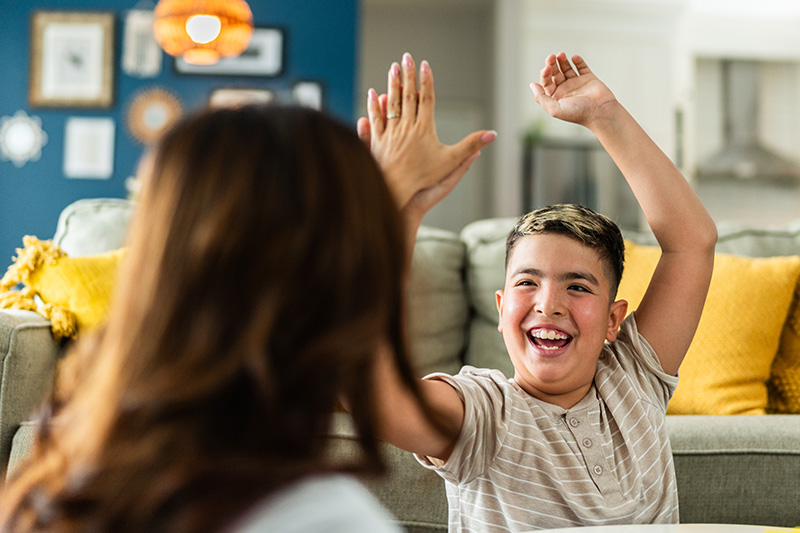
La terapia ABA ayuda a los niños con autismo a adquirir las habilidades que necesitan para la vida cotidiana, como las habilidades sociales, la comunicación, el seguimiento de rutinas y la gestión de los cambios. Dado que se recomienda ampliamente el apoyo temprano para los niños con autismo, muchas familias comienzan la terapia ABA a una edad temprana o poco después del diagnóstico, con el fin de ayudarles a desarrollar habilidades comunicativas, sociales, conductuales y de autonomía durante etapas importantes del desarrollo.
ABA son las siglas de «Análisis Conductual Aplicado», una terapia basada en la evidencia y bien documentada* que se fundamenta en la ciencia del comportamiento. El ABA se centra en comprender cómo funciona el comportamiento, incluyendo qué lo desencadena, qué lo refuerza y cómo cambia con el tiempo.
En el caso de los niños con autismo, la terapia ABA aprovecha este conocimiento para enseñarles habilidades útiles y reducir las barreras que les impiden aprender y desenvolverse en la vida cotidiana. La terapia es estructurada, individualizada y se centra en ayudar a los niños a desarrollar habilidades que puedan aplicar en situaciones de la vida real. Los niños trabajan de forma individualizada con profesionales sanitarios cualificados y con experiencia, siguiendo un horario y un plan que se adapten mejor a sus necesidades. Los terapeutas utilizan instrucciones claras, la repetición y el refuerzo positivo para ayudar a los niños a aprender nuevas habilidades y reducir las conductas problemáticas que puedan interferir en el aprendizaje y la participación en el ámbito familiar, escolar y comunitario.

Los objetivos de cada niño son individuales, pero los niños con autismo suelen necesitar apoyo para desarrollar habilidades que otros niños pueden aprender de forma más natural. La terapia ABA se centra en desarrollar estas habilidades de una manera estructurada y con apoyo. Entre las áreas de interés suelen figurar:
Comunicación y lenguaje:
Expresar necesidades, manifestar emociones, utilizar palabras, signos o CAA
Habilidades sociales:
Esperar el turno, integrarse con los compañeros, saludar, interpretar las señales sociales
Habilidades de juego:
Juego independiente, juego simbólico, atención conjunta, compartir juguetes
Habilidades para la vida diaria y la autonomía personal:
Vestirse, ir al baño, higiene personal, comer, arreglarse
Regulación emocional y estrategias de afrontamiento:
Identificar sentimientos, estrategias para calmarse, tolerar la frustración
Apoyo conductual:
Sustituir las conductas problemáticas por habilidades más seguras y funcionales
Preparación para el aprendizaje:
Permanecer sentado durante la clase, seguir instrucciones, prestar atención a las tareas
Preparación para la escuela:
Rutinas grupales, expectativas en el aula, aprendizaje entre compañeros
Habilidades de adaptación e independencia:
Seguir rutinas, resolver problemas, desenvolverse en entornos nuevos
Habilidades de seguridad:
Responder cuando te llaman por tu nombre, no alejarse, seguridad vial, aceptar asistencia médica
Autodefensa:
Identificar emociones, solicitar adaptaciones, expresar preferencias (en niños mayores y adolescentes)
La terapia ABA puede llevarse a cabo en diferentes entornos, dependiendo de lo que mejor se adapte a las necesidades de tu hijo y de tu familia. Cada entorno ofrece oportunidades para practicar habilidades de forma real y significativa.
Fomentar las rutinas y la autonomía en la vida cotidiana.
Fomentar el aprendizaje y la participación en el aula.
Practicar habilidades sociales y de trabajo en grupo.
Apoyo flexible y personalizado desde casa.
No todos los niños necesitan el mismo nivel de apoyo. A algunos les resulta útil recibir una orientación temprana y específica, mientras que otros pueden necesitar una terapia más estructurada y constante para desarrollar las habilidades básicas. En Arluna, ofrecemos atención de diversas formas, incluyendo varios programas especializados para satisfacer de la mejor manera posible las necesidades de su hijo.
Apoyo a los niños pequeños durante una etapa clave de su desarrollo, centrándose en la comunicación, el juego y las rutinas tempranas.
Apoyo estructurado y de mayor frecuencia para los niños que necesitan ayuda con las habilidades básicas, los problemas de comportamiento o el funcionamiento diario.
No hay dos niños que aprendan de la misma manera. La terapia se basa en los puntos fuertes, las dificultades y los objetivos de cada niño, centrándose en ayudarles a crecer sin cambiar su forma de ser.
Las familias son una parte fundamental del proceso. Vosotros sois quienes mejor conocéis a vuestro hijo, y vuestra perspectiva ayuda a orientar la terapia de forma que se adapte a vuestras rutinas, valores y prioridades.
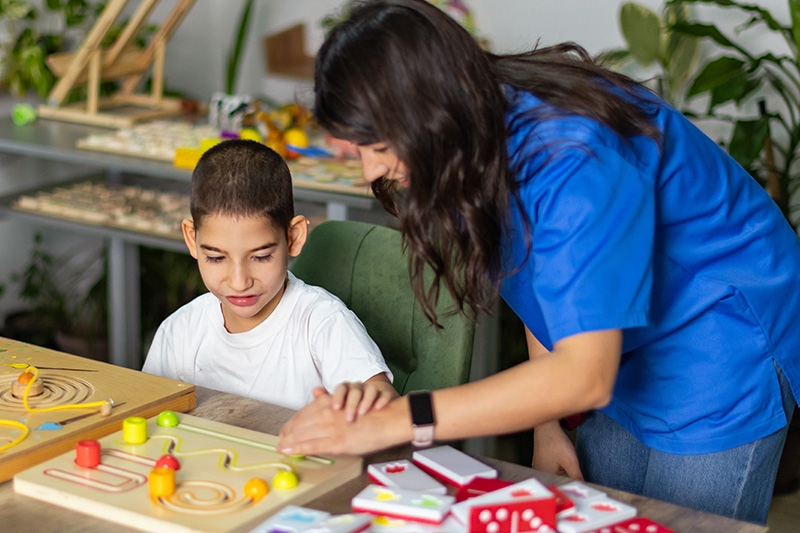
Nunca se espera que los padres lo resuelvan todo por sí solos. A lo largo del proceso, recibiréis formación e instrucciones claras sobre todas las señales, actividades y estrategias terapéuticas para apoyar los objetivos individuales de vuestro hijo.
Esto podría incluir:
La terapia ABA está pensada para niños con autismo, sobre todo cuando se necesita un apoyo adicional para desarrollar habilidades de comunicación, de comportamiento y de la vida cotidiana. Muchas familias comienzan tras el diagnóstico, pero el apoyo también puede iniciarse en cuanto surgen las primeras preocupaciones.
Si a su hijo le han diagnosticado autismo, la terapia ABA puede ayudarle a desarrollar habilidades importantes. Si tiene alguna duda, póngase en contacto con el pediatra de su hijo.
Esto depende de las necesidades de su hijo. Un analista conductual certificado (BCBA) realizará una evaluación y recomendará un plan que se adapte a las necesidades de su hijo.
Muchos planes de seguro cubren la terapia ABA. Aceptamos varias compañías de seguros privadas, así como Medicaid. Nuestro equipo puede ayudarte a gestionar todo el proceso.
La duración de la terapia varía. Algunos niños necesitan un apoyo a corto plazo, mientras que otros se benefician de servicios más prolongados y continuados hasta la adolescencia.
¡Aceptamos nuevos clientes! Rellena nuestro formulario de admisión seguro y conforme a la HIPAA para informarnos sobre las necesidades de tu hijo. Nuestro equipo de admisión revisará tu información y se pondrá en contacto contigo para hablar sobre cómo la terapia puede contribuir al desarrollo de tu hijo.